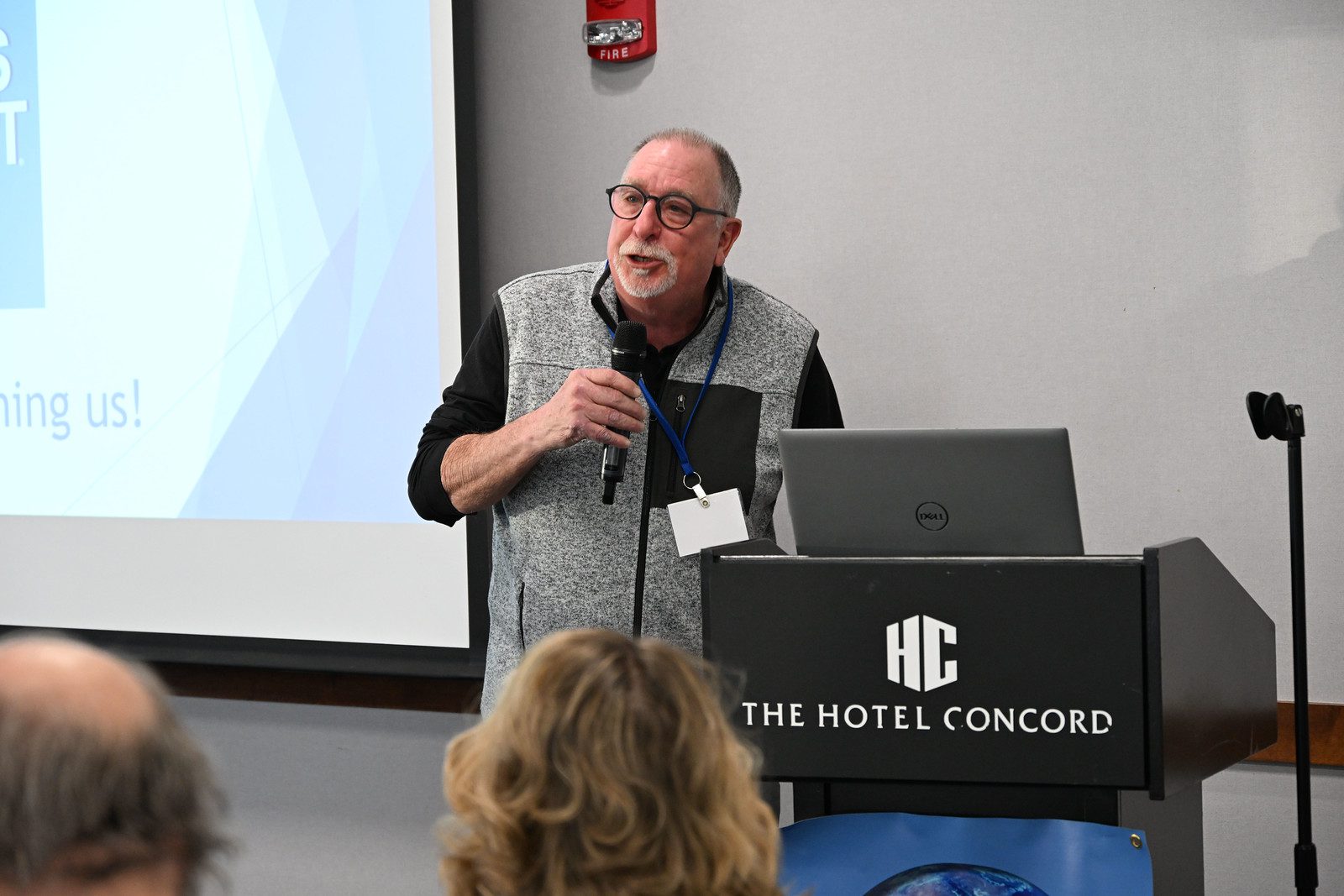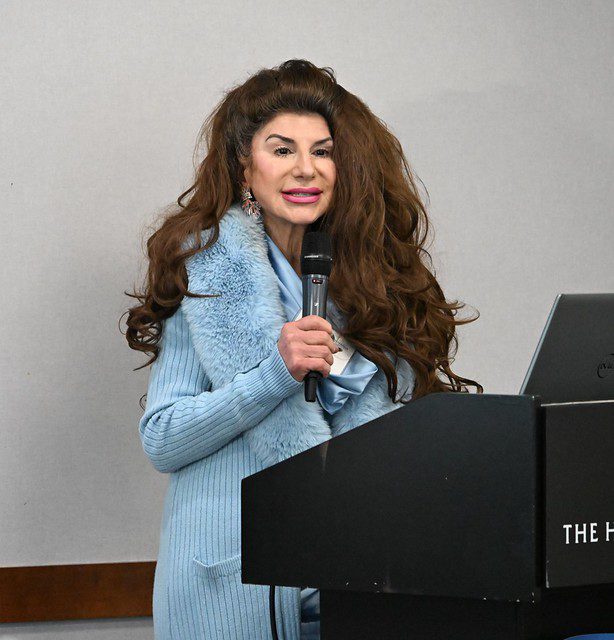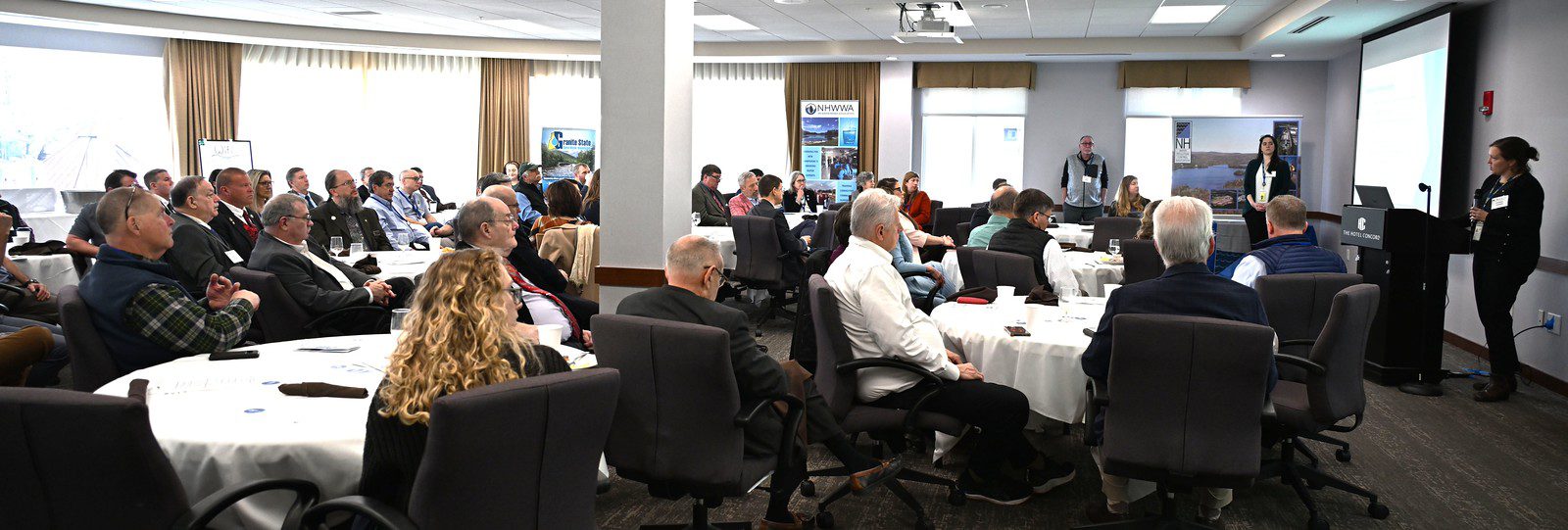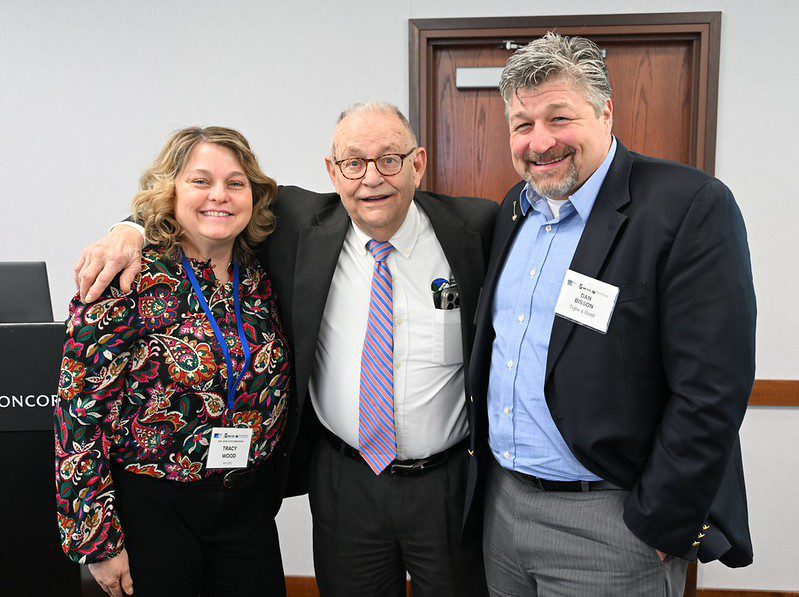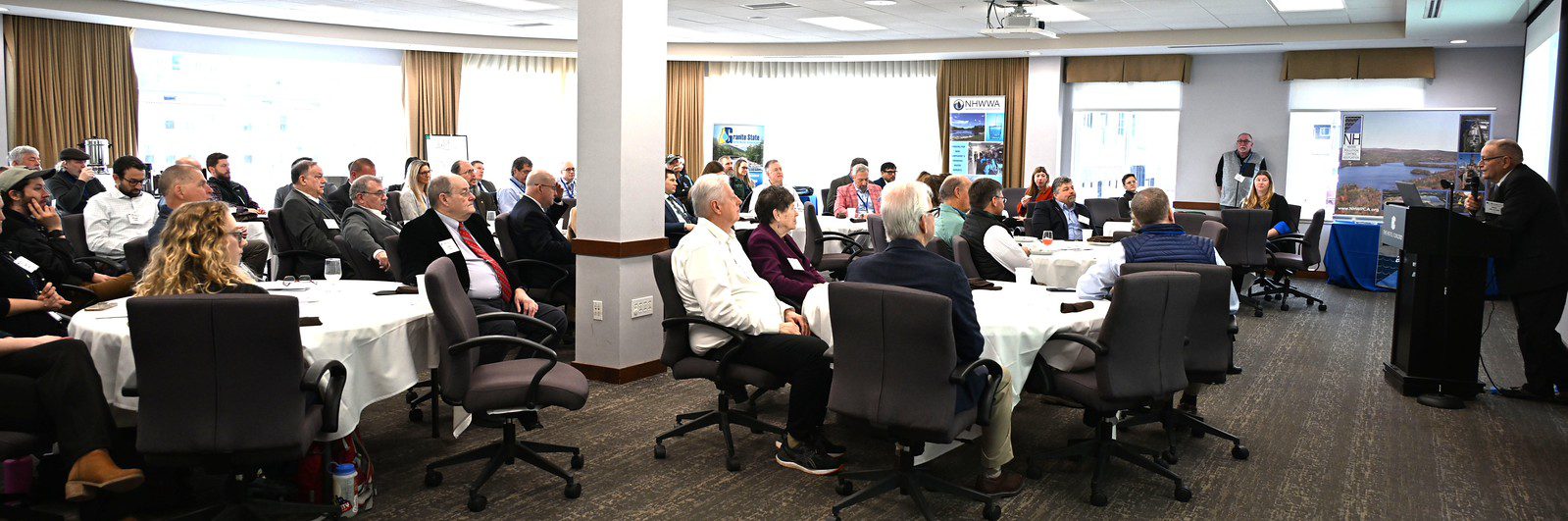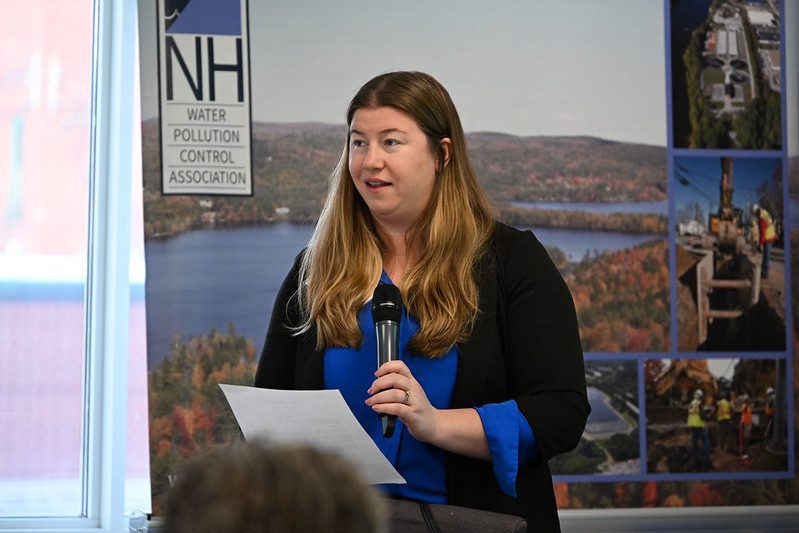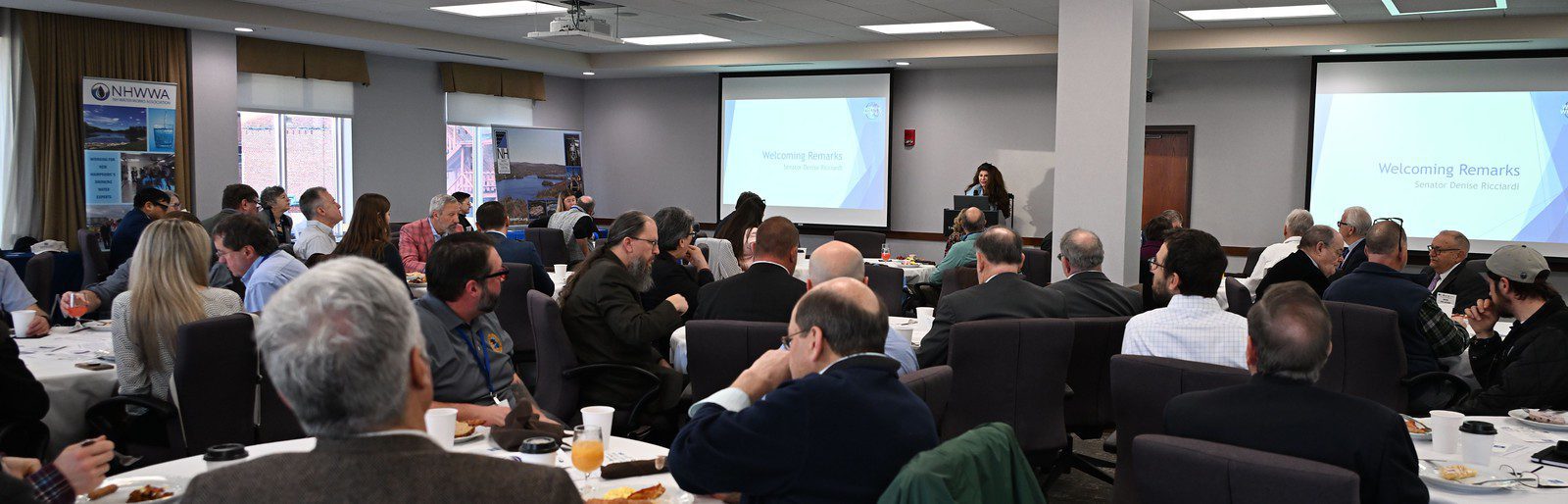
On Thursday March 5th, approximately sixty clean water advocates and policymakers gathered at the Hotel Concord for the 2026 Clean Water Legislative Breakfast, an annual event hosted by the NHWPCA and co-sponsored by the Granite State Rural Water Association and the NH Water Works Association to inform New Hampshire legislators about the current state of the water sector. The Legislative Breakfast recognizes the indispensable work that water professionals perform to provide our communities with reliable, potable water and protect the health of our environment.
The 2026 priority issues were introduced by veteran moderator and retired water professional Fred McNeill, who explained the critical need for legislative support in these key areas. New Hampshire alone identified $850M in needed funding for wastewater treatment (secondary and advanced) alone with an overall clean water funding need of $4.287B for all categories, putting infrastructure funding at the top of the priority list. The challenges associated with rising energy demands of water treatment facilities, the need for workforce development to ensure the safety, reliability, and sustainability of the state’s water systems, and the essential role that water associations play in advocating for the industry were also identified as crucial areas where continued support will be required for success.
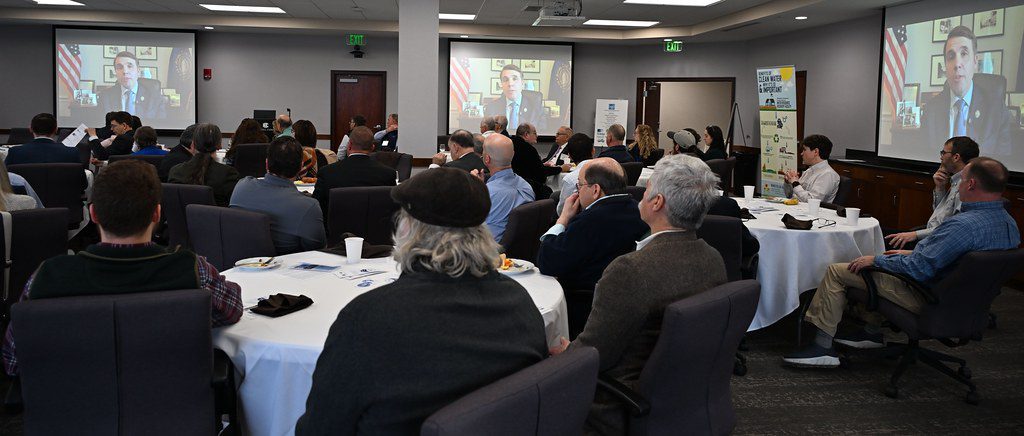
Senator Jeanne Shaheen and Congressman Chris Pappas contributed pre-recorded videos to the event, expressing support for the 2026 priority issues and recognizing the vital role that water professionals play in the protection of public health and safety. Both parties advocated for continued funding to New Hampshire’s water infrastructure and to address PFAS contamination. Senators Maggie Hassan and Congresswoman Maggie Goodlander expressed equal support through written letters read by staff at the event.
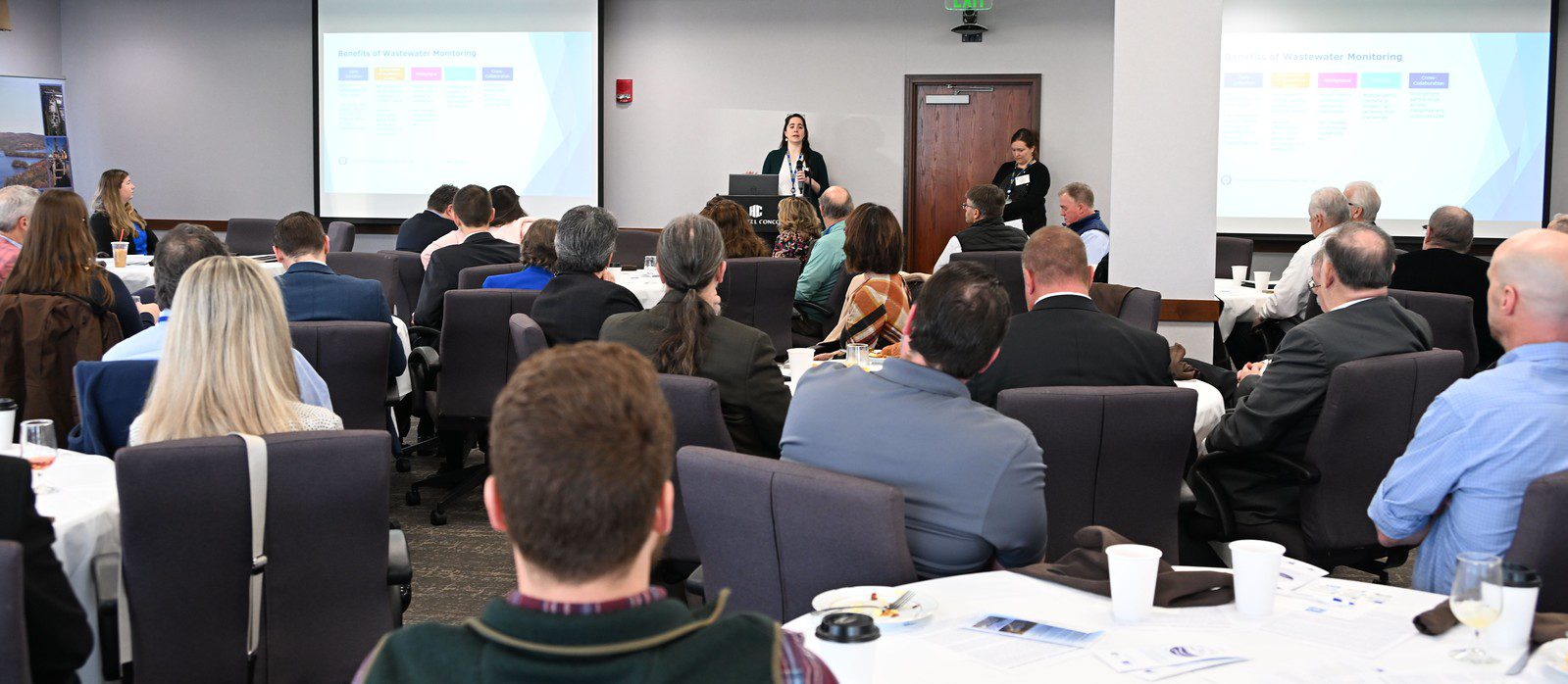
The keynote presentation, “Supporting Community Health through Wastewater Collaboration,” was presented by Katrina Hansen, Chief of the DHHS Infectious Disease Surveillance Section and Megan Heady, Chief of the DHHS Bureau of Infectious Disease Control. Their insightful joint presentation gave attendees a behind-the-scenes look at the state’s wastewater monitoring program which tracks infectious diseases such as influenza, RSV and Covid-19, and more recently norovirus and HPAI. By monitoring local trends in wastewater, communities can obtain insight into which illnesses are present and better prepare from a healthcare standpoint.
The success of this wastewater monitoring program was attributed to the diligent wastewater operators at the seventeen participating facilities including Concord, Littleton, Berlin, Hampton, and Durham. The data-driven program highlights the value of the relationships formed between members of DHHS, DES, and the operators who voluntarily contribute their time, knowledge, and expertise to the program.
On behalf of the NHWPCA Education Committee, Wade Pelham took a moment near the end of the event to spotlight New Hampshire’s Clean Water Week, a public engagement initiative designed to connect the public with the water systems they rely on but rarely ever see. Observed April 12th– 18th, attendees were encouraged to catch a facility tour at one of the many participating wastewater treatment plants throughout the state.
Water warrior Rene Pelletier, Director of the NH DES Water Division, shared closing remarks and recalled how far water stewardship has come over the years and the direct contribution this has made to the health of our rivers and lakes and New Hampshire’s strong outdoor recreation industry. This points to the effectiveness of the work performed by operators every day and the value of continuing to engage policymakers to support this crucial work.
The 2026 Legislative Breakfast was another successful joint effort between multiple NH water organizations to educate our policymakers on the successes and the challenges currently facing the water sector. Identifying and sharing the industry priority issues as well as spotlighting the impact of water policy and programs on the health and wellness of our communities and water systems encourages legislators to remain invested and involved in the water sector and promotes continued collaboration on future water policy.